China Top Protein Library Screening Techniques for Innovative Drug Discovery?
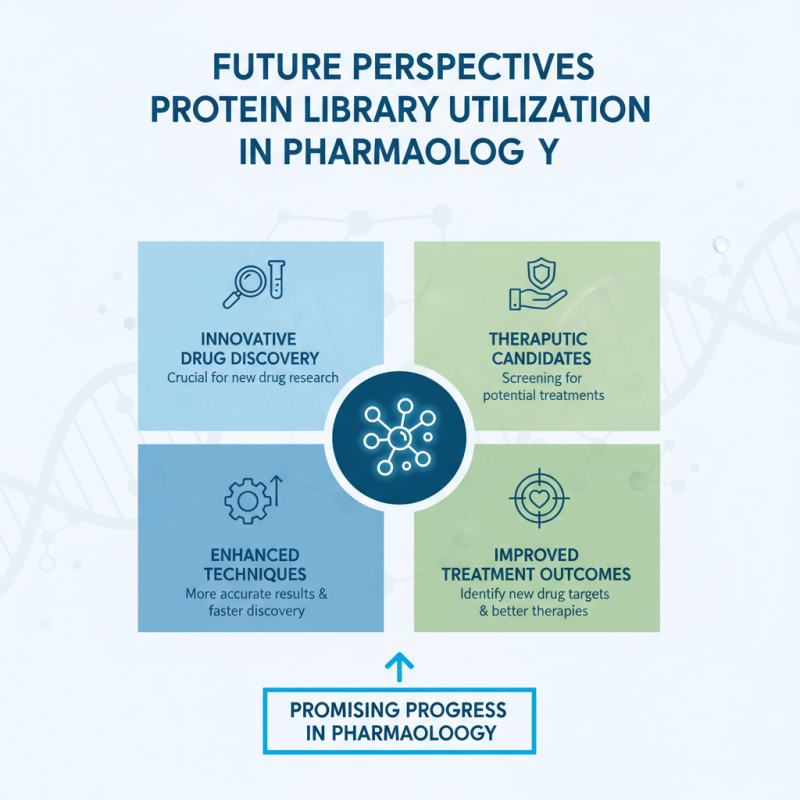
Innovative drug discovery is increasingly reliant on advanced techniques, notably Protein Library Screening. This method allows researchers to test vast libraries of proteins against potential drug candidates. Dr. Helen Chen, a leading expert in pharmacology, emphasizes the significance of this approach, stating, “Protein Library Screening is a game-changer in identifying new therapeutic targets.”
As we delve into the current landscape in China, it becomes evident that the country is embracing novel protein screening methodologies. These techniques have the potential to accelerate drug discovery. However, there is always room for improvement in optimizing the screening processes. Maximizing the efficiency of these libraries remains a challenge for many laboratories.
Thus, while Protein Library Screening offers vast opportunities, researchers must be aware of its limitations. The inconsistency in results and the need for rigorous validation are ongoing issues. As the field progresses, it is essential to address these challenges to realize the full potential of Protein Library Screening in drug discovery.
Overview of Protein Libraries in Drug Discovery
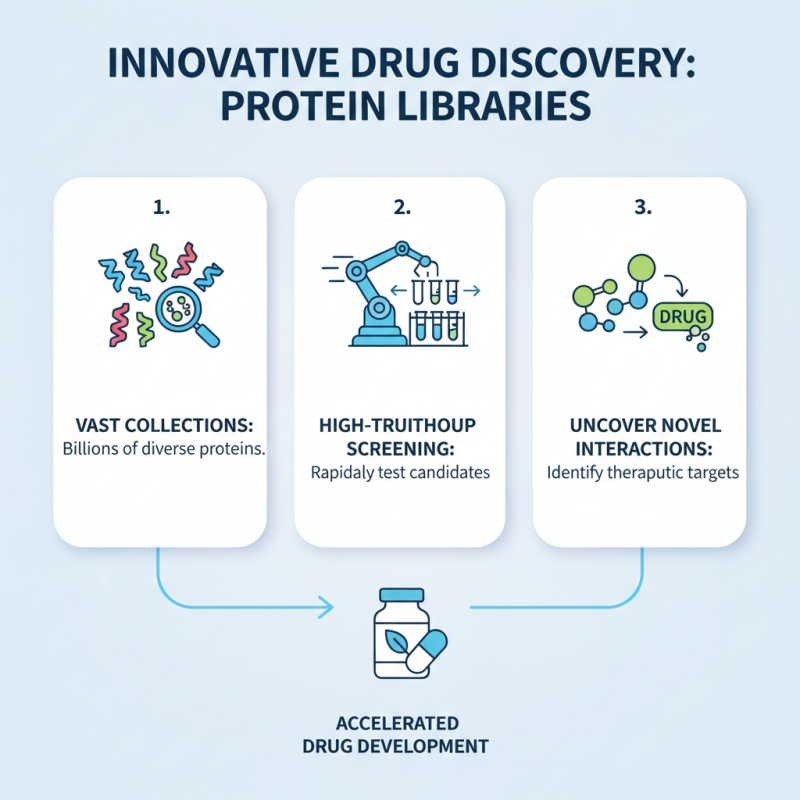
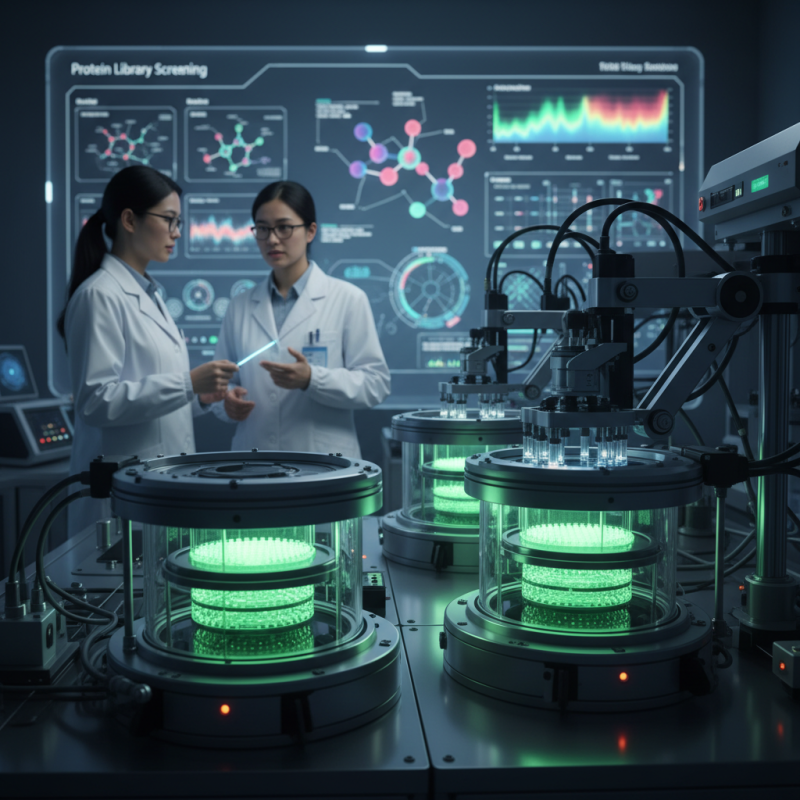
Protein libraries play a crucial role in innovative drug discovery. They consist of diverse proteins that researchers can screen for potential therapeutic applications. This diversity allows scientists to identify new drug candidates, as each protein can interact uniquely with different biological targets. In this context, understanding the methods of constructing and screening these libraries is essential.
One popular technique is phage display. This method uses bacteriophages to present peptides or proteins on their surface. Researchers can then test these proteins for their ability to bind to specific targets, accelerating the identification of viable drug candidates. However, the complexity of optimizing these libraries can be a challenge. Not all proteins exhibit the desired activity, and narrowing down to the most promising candidates requires an iterative screening process.
Another technique is yeast two-hybrid screening, which helps in studying protein-protein interactions. This method allows the exploration of intricate cellular pathways linked to disease. Yet, its limitations include the potential for false-positive results. Researchers must validate findings rigorously to ensure reliability. Balancing efficiency and accuracy remains a critical focus in protein library screening for drug discovery, demanding continuous refinement and deeper understanding.
Key Techniques for Protein Library Screening in China
The protein library screening landscape in China is evolving rapidly. Innovative techniques are being developed to enhance drug discovery. For example, high-throughput screening (HTS) has emerged as a powerful method. In 2022, the global HTS market was valued at approximately $3.5 billion, and China’s contribution is expanding as research institutions and biotechnology companies adopt these technologies.
Another prominent technique is phage display. This allows for the identification of protein interactions with high specificity. Research suggests that phage display can produce libraries with over a billion variants. Despite its potentials, the technique faces challenges, such as the complexity of library construction and optimization. These challenges prompt researchers to continuously refine their methodologies, enhancing the accuracy and efficiency of their screening processes.
Additionally, machine learning models are becoming increasingly relevant. They analyze protein interactions and predict potential drug candidates rapidly. Reports indicate that AI-driven drug discovery could save up to 30% of development costs. However, these models require substantial datasets and validation, which can limit their immediate applicability. Addressing these limitations is crucial for the future of protein library screening in China.
Top Protein Library Screening Techniques in China
Challenges and Limitations in Protein Library Screening Methodologies
Protein library screening plays a crucial role in drug discovery. However, researchers face significant challenges in this area. High-throughput screening methods often overlook subtle interactions. These interactions can dictate a drug's effectiveness. Additionally, the complexity of protein structures adds another layer of difficulty. Understanding these structures is vital, yet it remains a demanding task.
Tips: Effective communication with interdisciplinary teams can enhance understanding of protein behavior. Consulting structural biologists may reveal insights that aren't apparent from screening data alone.
Another hurdle is the limited diversity within protein libraries. A narrow scope reduces potential drug candidates. This limits innovation and can lead to stagnant research. Researchers must strive to create more comprehensive libraries that reflect a broad range of biological functions.
Tips: Regularly update your screening techniques to incorporate new findings. Staying informed about recent advancements can help overcome existing limitations. Always question whether your methods adequately cover the diversity needed in drug discovery.
China Top Protein Library Screening Techniques for Innovative Drug Discovery
| Technique |
Advantages |
Challenges |
Limitations |
Applications |
| High-Throughput Screening |
Rapid screening of large libraries |
High false positive rate |
Requires significant resources |
Drug discovery, target identification |
| Phage Display |
Allows for the selection of high-affinity binders |
Time-consuming process |
Limited to certain types of proteins |
Antibody development, biomarker discovery |
| Cell-Free Protein Synthesis |
Flexibility in protein design |
Lower yield compared to cell-based methods |
Limited scalability |
Synthetic biology, protein engineering |
| CRISPR Based Screening |
Targeted and efficient modifications |
Ethical concerns and off-target effects |
Requires expertise and optimization |
Genetic research, functional genomics |
| Dual Luciferase Assay |
High sensitivity and specificity |
Complex assay design |
Requires control experiments |
Gene expression analysis, drug screening |